Session 66 — December 2020
Why identity matters: the mind's first judgment, separation, and relating to others ▶ Play excerpt08:26

Frederic says the common theme behind his questions is limitations, and that his attachment to limitation seems linked to a need for identity, that is, for separation; he asks why identity is so important and whether it is needed to navigate this dimension.
The Wonders say not really.
On incarnating he first created a mind, which decided it had to be in charge in order to survive and began to judge; that first judgment simultaneously created an identity ('I exist, I am, therefore I choose, I am in charge') and separated the mind from the you that includes both mind and soul essence.
So it is not that a need for separation created identity, but that the immediate choice to judge created separation while reinforcing identity.
As an infant he was then taught his identity - he is Frederic - and in this society names and identities matter for self-identification, which works mind to mind and ego to ego but not from a soul essence perspective.
As long as minds refuse to acknowledge that they are tools of the soul essence, identity is clung to in order to maintain the belief that they are in charge.
Once the soul reawakens and begins to command the mind, the mind resists in various ways but eventually acknowledges being a tool; self-identity then matters less, separation blurs, and the mind increasingly reflects and recognizes itself as an extension of the soul essence, able to relate to other minds as a oneness without separation, allowing far easier and deeper interaction with people.
Frederic applies this to job offers he is receiving: he does not feel he fits one category, but employers want to place him in a single identity, and without using that identity they do not know how to relate to him.
The Wonders point out his ego is involved - he wants others to recognize him in his fullness - whereas the practical path is to recognize that they are individuals who work at the level of identity, allowing them their illusions while maintaining his own awareness of the underlying reality and movement.
Used this way, when someone disagrees with him he can see quickly whether it is fear, judgment or circumstance behind it, and can defuse the disagreement to find commonality or fuel it to generate discussion, as he chooses.
They remark that his ego is very strong.
Whether he wants to work, arrogance and doubt, and acknowledging others ▶ Play excerpt04:33

Frederic keeps sitting with the question of whether he really wants to work, concluding he does not.
The Wonders point out that in the past he has presented a body in the work environment, done what he felt like doing and been paid for it, which they would not call work but an impingement on his free time - and that now that he has a family he feels that impingement more, though at bottom it is his ego asking whether it really wants to get up and get dressed.
Frederic notes remote working at least spares him getting dressed.
He then says he has become somewhat less arrogant over the years but has more doubts than before.
The Wonders disagree: he has fewer doubts, but previously his arrogance kept him from acknowledging them, while now he acknowledges and handles them far more easily.
As a human personality he has become more self-aware, less self-centered and more caring than when he was arrogant.
Frederic admits a moment of fearing that although he has managed to avoid really working in the past, he may not be able to in future.
The Wonders reply that of course he can, and that his doubt is not 'can I' but 'do I want to' - the key question is whether he chooses to, and he should give himself permission to change that choice moment by moment, deciding on any given day simply not to bother, which is a willingness to choose rather than arrogance.
They add that a part of him wants to be fully acknowledged, and that the shift under way in his ego, personality and mind is bringing him to realize that in order to be acknowledged he must acknowledge others - a kind of respect that neither minimizes others nor takes unnecessary advantage of them, though some people plead to be taken advantage of.
Respect, acknowledgement and allowance of others, they say, is respect, acknowledgement and allowance of himself; the fourth defining statement is manifesting more strongly in him.
The reptilian brain, conscious living, and the power of 'Thou Shalt Not Pass' ▶ Play excerpt05:25

Frederic asks whether the reptilian brain belongs to the subconscious or the unconscious; the Wonders answer the unconscious, and confirm it is what drives fight-or-flight.
They say he will always have that part of himself, and point to their recent workshop 'Thou Shalt Not Pass' and recent study groups, in which their focus has moved from strictly spiritual exploration toward conscious living - still spiritual, but oriented toward living consciously.
As he moves through life consciously, through self-awareness and reintegration with soul essence, the unconscious fight-or-flight portion becomes more conscious and turns into a nobility of choice.
They describe his current structure: a conscious mind for doing things, an unconscious mind for what he does not want to think about, and a subconscious that acts as a storage unit, the whole serving as a way to navigate third-dimensional reality, with the unconscious grounded in the instinctual reptilian part - which is becoming more conscious for him.
They then describe how this can be used: in a given moment he may consciously see the need to extend his power outward rather than merely hold it, in order to shift the probability of a movement taking place, and so express himself forcefully enough to create fear in the egos around him, declaring in effect 'this movement must stop - these are my boundaries, do not cross them', tapping the unconscious reptilian part to make the statement unmistakable, and then instantly returning to a normality of love and appreciation.
They cite the Nazarene using justified anger to drive the money traders from the temple as an example of tapping that part, while cautioning that the stories about him are incomplete, that he was advanced for his time but not a fully consciously living individual.
Asked whether a fully conscious human exists, they answer not right now, nor in the past, but there will be.
Cellular expression, layers of judgment, and the body's designed lifespan ▶ Play excerpt03:20
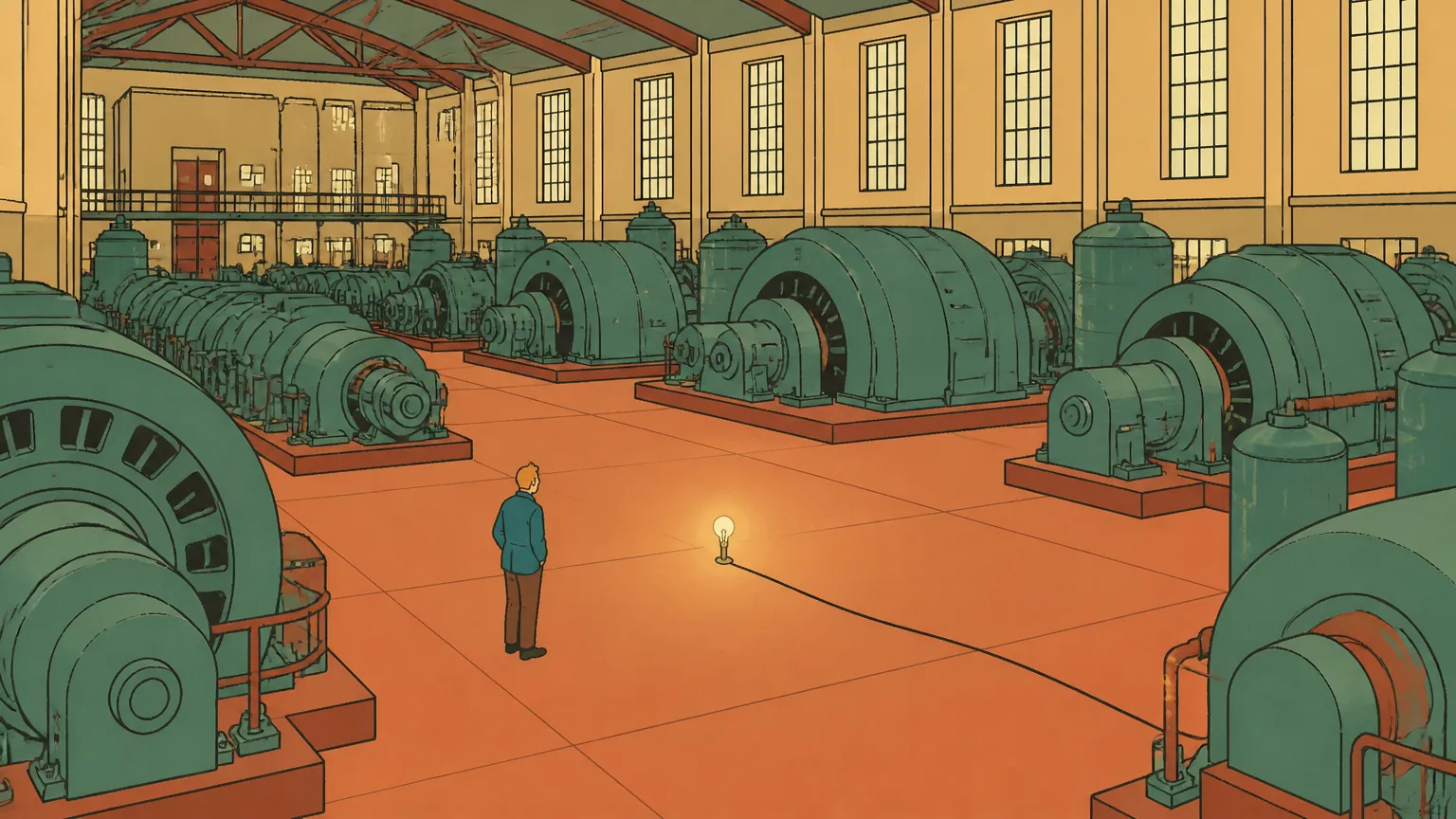
Frederic recalls workshops from more than ten years earlier in which it was said that the body's cells express a tiny fraction of the energy they could - a trillion times a trillion less - and understands that judgments are what prevent full cellular expression, which the Wonders confirm.
He asks how long the path is and how many layers there are, since it feels like endless layer upon layer.
The Wonders agree it is layered, but say every layer he moves through releases more energy and vitality: the more he lives consciously, stays in the moment and loves himself, the more his cell structure can express itself as intended, and so the longer he can live and the younger he can be.
Frederic asks whether the talk in those days about 10,000 years was a carrot for the ego rather than a real possibility.
The Wonders reply that the human cell structure is designed to last approximately 10,444 years, and that this is far too overwhelming to work as a carrot - most people cannot even imagine living one extra year.
The key is that the more he loves who he is, releases the energy of separation, accepts that he is an energy consciousness incarnated and uses his mind as a tool, the more the physical body - a representation of existence - can express itself with ease.
There will still be aging and deterioration, with some cells replicating more than others, but the outcome depends entirely on the psychologies, belief structures and behaviors he changes.
Why exploration proceeds in steps, limitlessness, and changing behavior first ▶ Play excerpt05:19
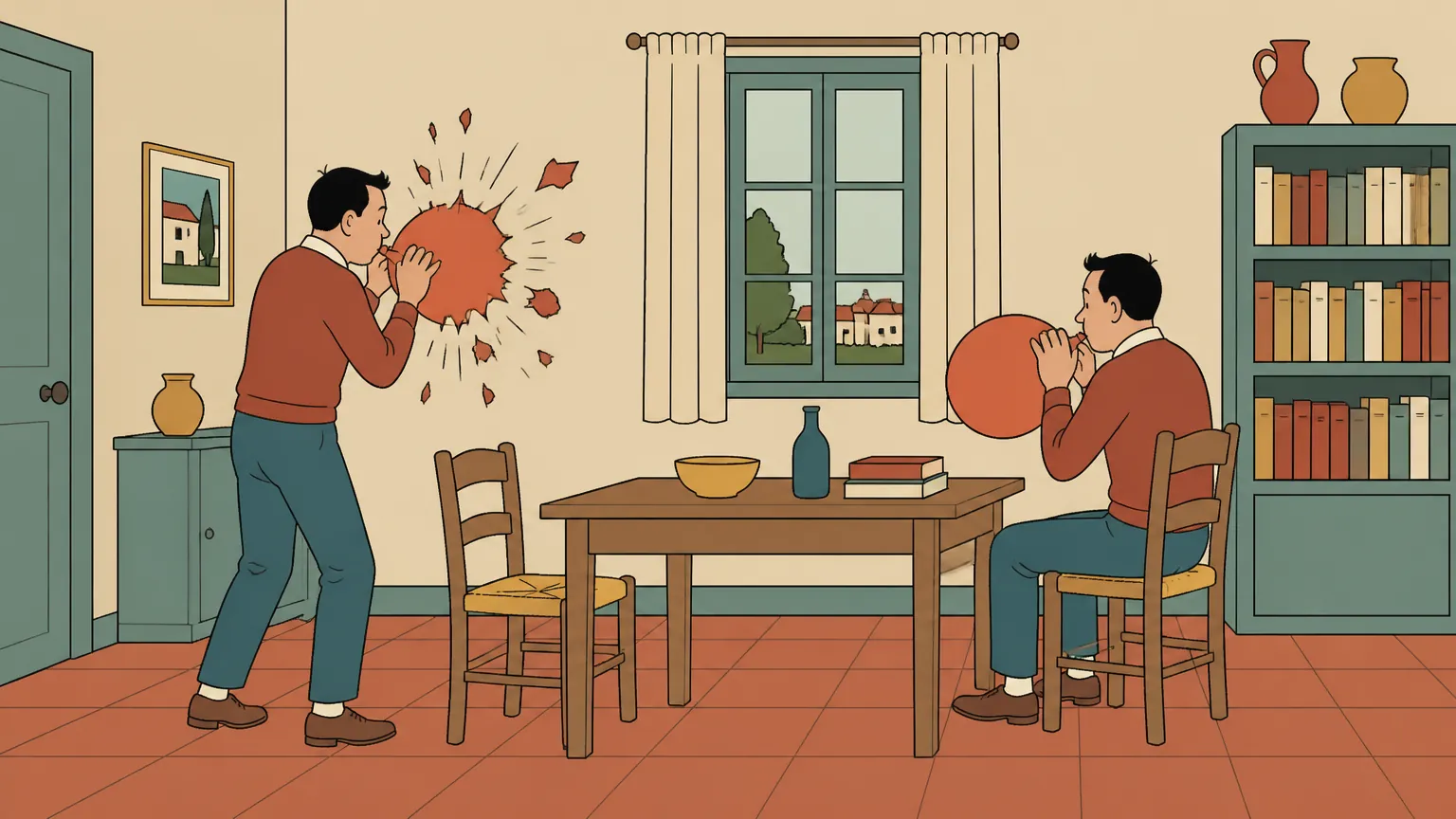
Frederic observes that spirituality is about everything, yet it is learned by focusing on one aspect at a time, and wonders whether it would be more useful to focus on everything at once.
The Wonders say he could not do it - his mind can barely accept the construct that he is more than what he is - and note that some individuals have used chemicals to try to view existence in full, with the result that, like a bulb shining too bright, their minds burst.
This is why they have taken humanity through step-by-step choices and awarenesses: it was time to integrate, then to assimilate, then spirituality, and now conscious living, each step being the best humanity can do at that point.
Frederic asks whether the number of steps ever ends; the Wonders say existence is limitless, citing the third defining statement, 'I am limitless, my choices reflect my limitlessness' - it does not say he is limited and will expand a little, it says he is limitless first and foremost, and because he cannot accept that, each choice reflects the degree to which he allows himself to be limitless.
Frederic connects this back to his opening question about needing an identity, recognizing that holding on to it restrains his limitlessness, and adds that from a human perspective he might not want to be completely limitless but would want different limits - to which the Wonders say then choose those.
They recommend their just-completed series 'Thou Shalt Not Pass', which speaks directly to changing behavior first, which then changes psychologies and belief structures, which allow further behavioral change.
In the past they taught changing psychology and belief structures, and people tried, but the difficulty was that they were not living consciously - and living consciously simply means living in the moment, which requires changing behavior.
Following the workshop's suggestions, he would live more in the moment, choose freely, become conscious of his choices and of the limits he imposes, and then change behavior to expand the psychologies that hold him within those limits and prevent him from choosing another.
How behavior change reaches the cells, and how long the process takes ▶ Play excerpt03:11
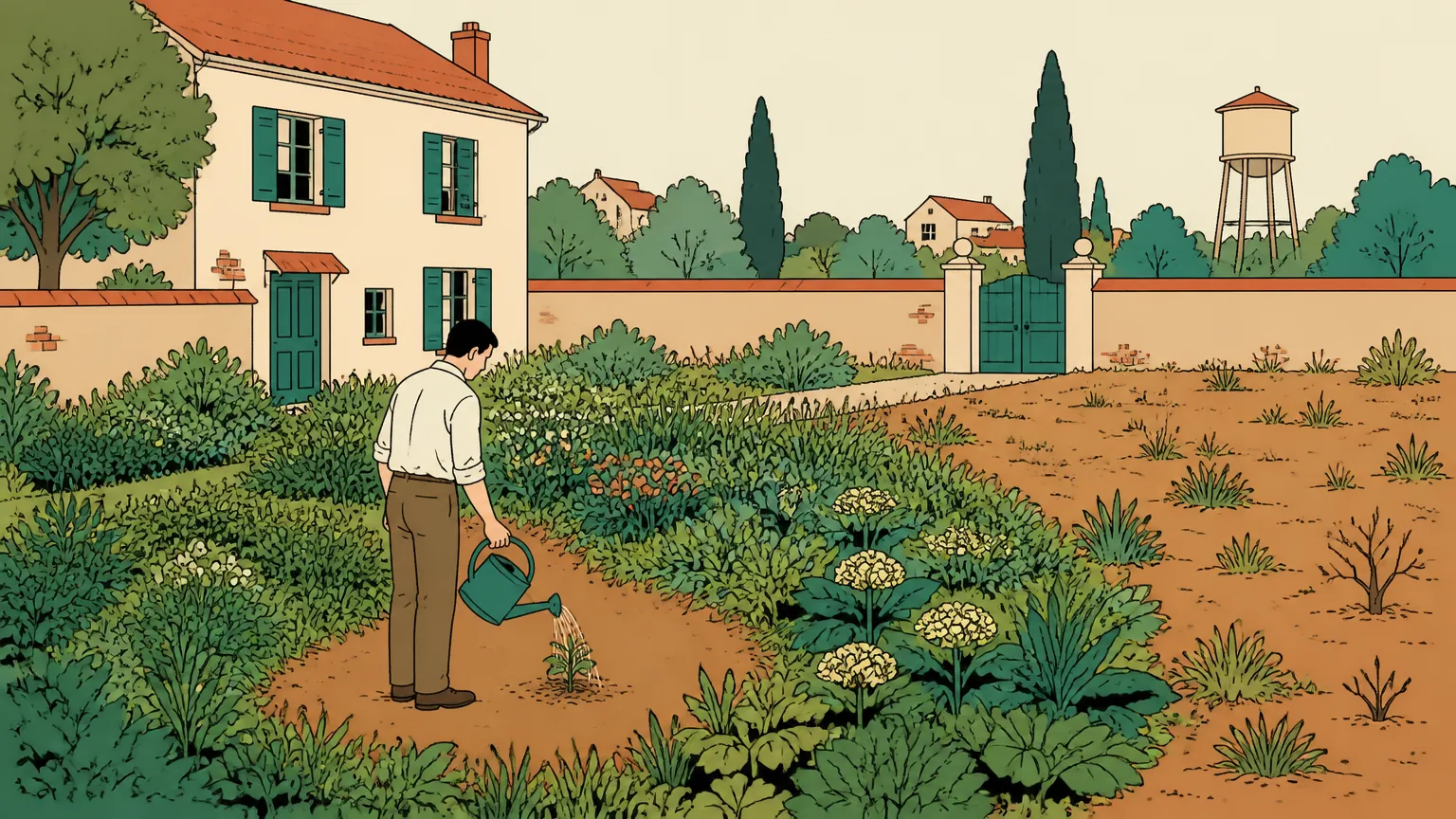
Frederic asks how one changes behavior so that the cells produce more energy.
The Wonders answer that it is not the cell's behavior but the behavior of his mind and ego personality.
His mind believes it is the whole totality of himself, and behaves accordingly; attempts to change the mind directly are met with the mind insisting that it is the self and all there is.
Instead, changing behavior - for instance opening himself up to observe without judgment, which is a behavior - leads to observations that make him doubt that belief, at which point a psychology and a belief have changed; repeated, the changed beliefs change behavior again, new beliefs expand, new behaviors follow, and eventually everything inside changes.
They add that the physical body is limited, but that it cannot alter itself to its fullness while the mind is as limited as most people's are - it is the mind that actually destroys the body.
Asked how many thousands of years this ultimately takes, they reply that it is up to him: nothing is impossible or improbable unless he chooses to make it so, and saying it will take a thousand years or a thousand lifetimes is itself the statement of his limit.
The vault is still being added to. Hear about new questions →