Session 6 — March 2008
What a belief is, and whether anything is absolute ▶ Play excerpt03:23
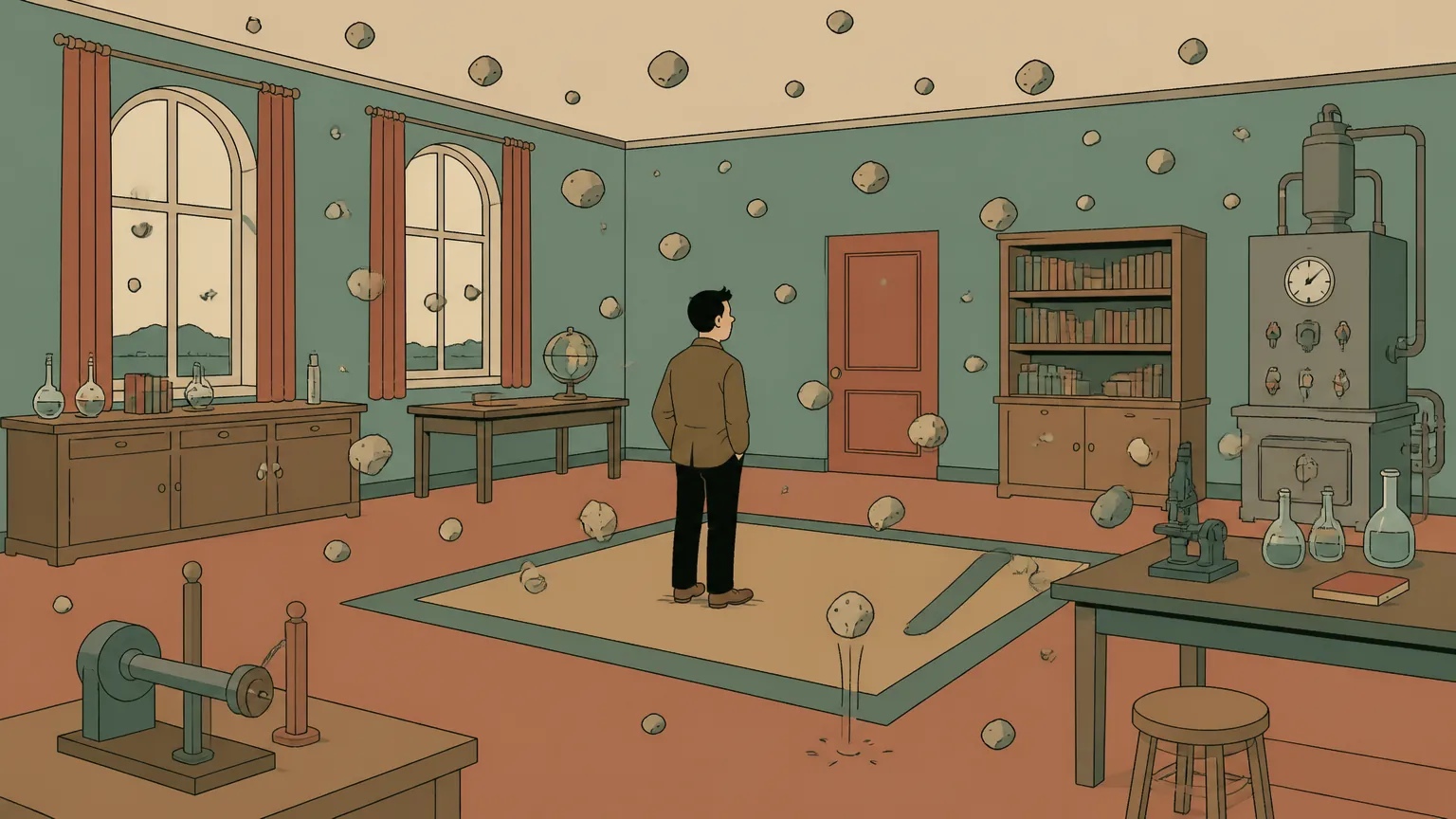
Frederick asks for an exact definition of belief and whether it is only mental.
The Wonders say a belief or belief structure is a construct created by the mind and applied to the self — not a knowing, not an absolute awareness.
Asked what lies beyond belief besides choice, they state there are no absolutes anywhere in existence, not even God, the All That Is.
Energy is absolute only in human minds; other racial structures beyond this solar system know otherwise.
They cite Einstein's postulate that energy can neither be created nor destroyed as having created an absolute to work from, which skewed subsequent exploration because it left no room for alteration, movement or choice within the absolute.
Beyond perception, they say, lies awareness: an amalgamation of perception upon perception, accelerating limitlessly until it becomes awareness.
The body as a belief structure and the role of group consciousness ▶ Play excerpt04:23
Frederick asks whether the body too is a belief.
The Wonders agree: the physical body is a belief structure created by the mind upon incarnation.
They then pose a question back — if the body is only a perception created by the mind at incarnation, how can a fetus exist before any incarnation has occurred, and whose belief structure creates it?
The answer they lead him to is a communal or group-consciousness belief structure: everyone who sees a pregnant woman agrees she is pregnant, and everyone agrees a body must begin somewhere, with sperm and egg.
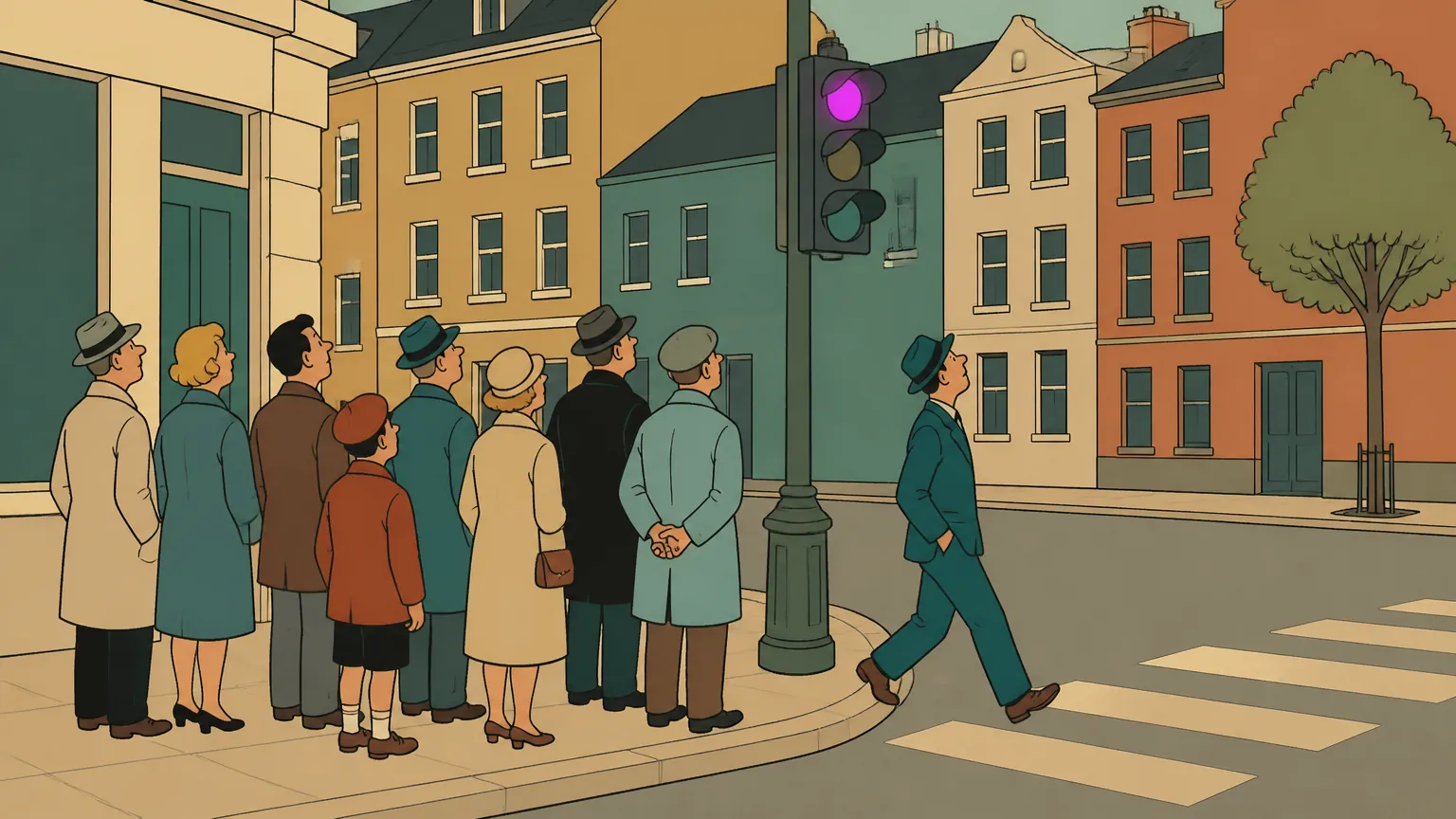
Asked whether one can separate from group consciousness, they say one can at any time, or one can choose within it — using the example of a group that believes the top traffic light is red.
Changing red to green would collide with the whole structure of meaning around stopping and going, but one could see it as purple, giving purple, yellow and green; one then still belongs to the group and yet is different from everyone in it.
Restoring tooth enamel: observing without judgment and layers of belief ▶ Play excerpt07:19
Frederick explains that his questions arise from working on restoring his tooth enamel.
He understands how a belief can stop him from acting, but senses that with the body it goes further — that perception influences the outcome even when all the right actions are taken.
The Wonders agree, noting the body has its own consciousness and belief structure, and ask what the greater consciousness encompassing body and mind believes.
To perceive it he must observe, and to observe he must suspend judgment — a difficulty which is itself only another perception and belief structure, and the easiest one to set aside first.
Having suspended the belief that judgment is necessary in order to observe, the next layer is judging whether the observation is valid, which can be suspended in turn.
Then he can observe whether the body has an inherent capacity to replace itself.
That capacity genuinely exists and is not created by the observation, nor is it limited by other people, but for most people it is filtered through perception.
They compare this to going down the rabbit hole in Alice in Wonderland, where nothing is as it was and everything becomes possible; what moves something from possibility to actuality is choice, specifically the choice to suspend perception, and it is far more effective when made by the total self rather than the ego.
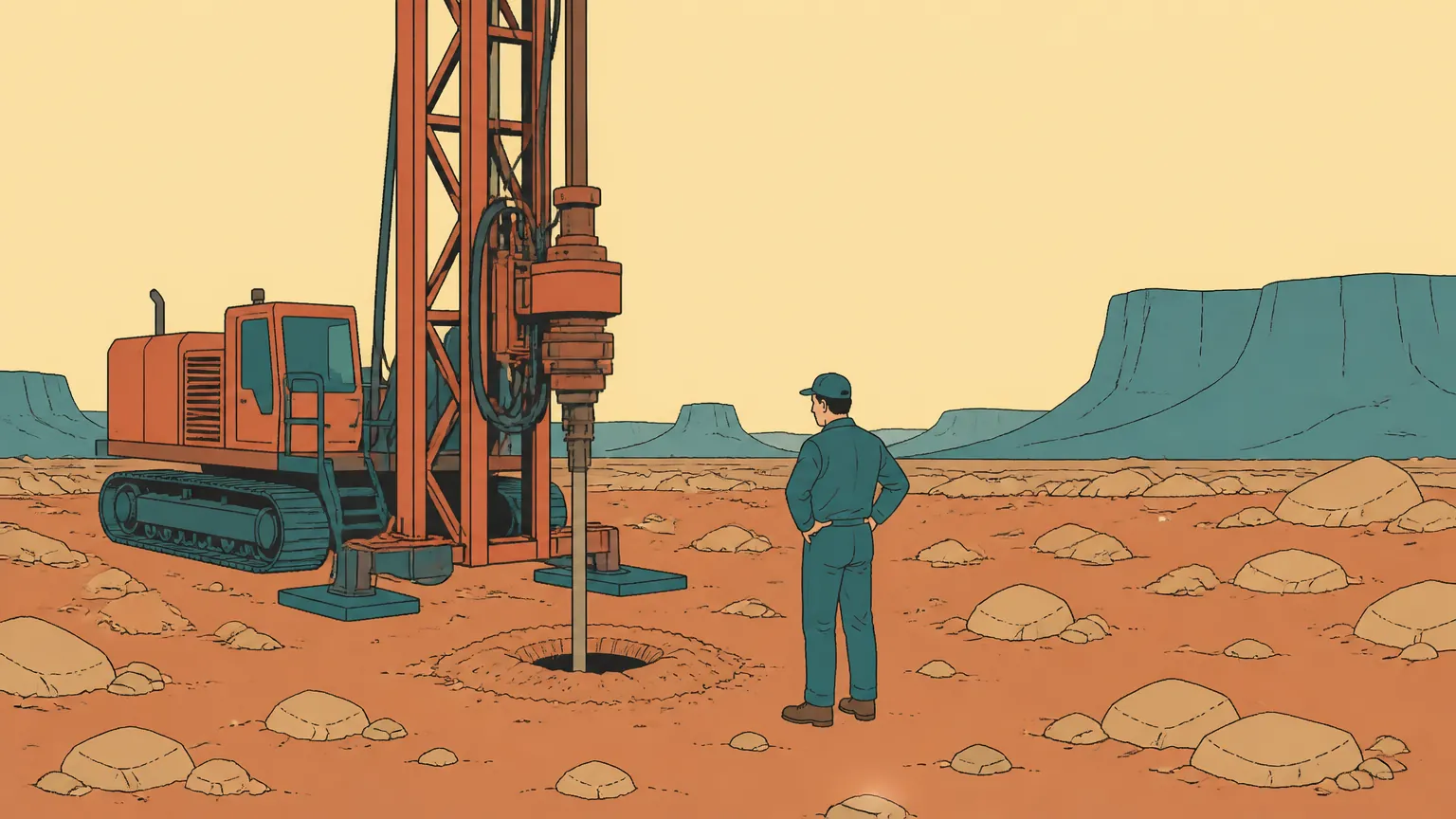
His mind is a powerful tool, like a drill bit capable of going hundreds of thousands of feet deep that he uses only for the first ten.
René's regrown teeth and time as a belief ▶ Play excerpt03:46
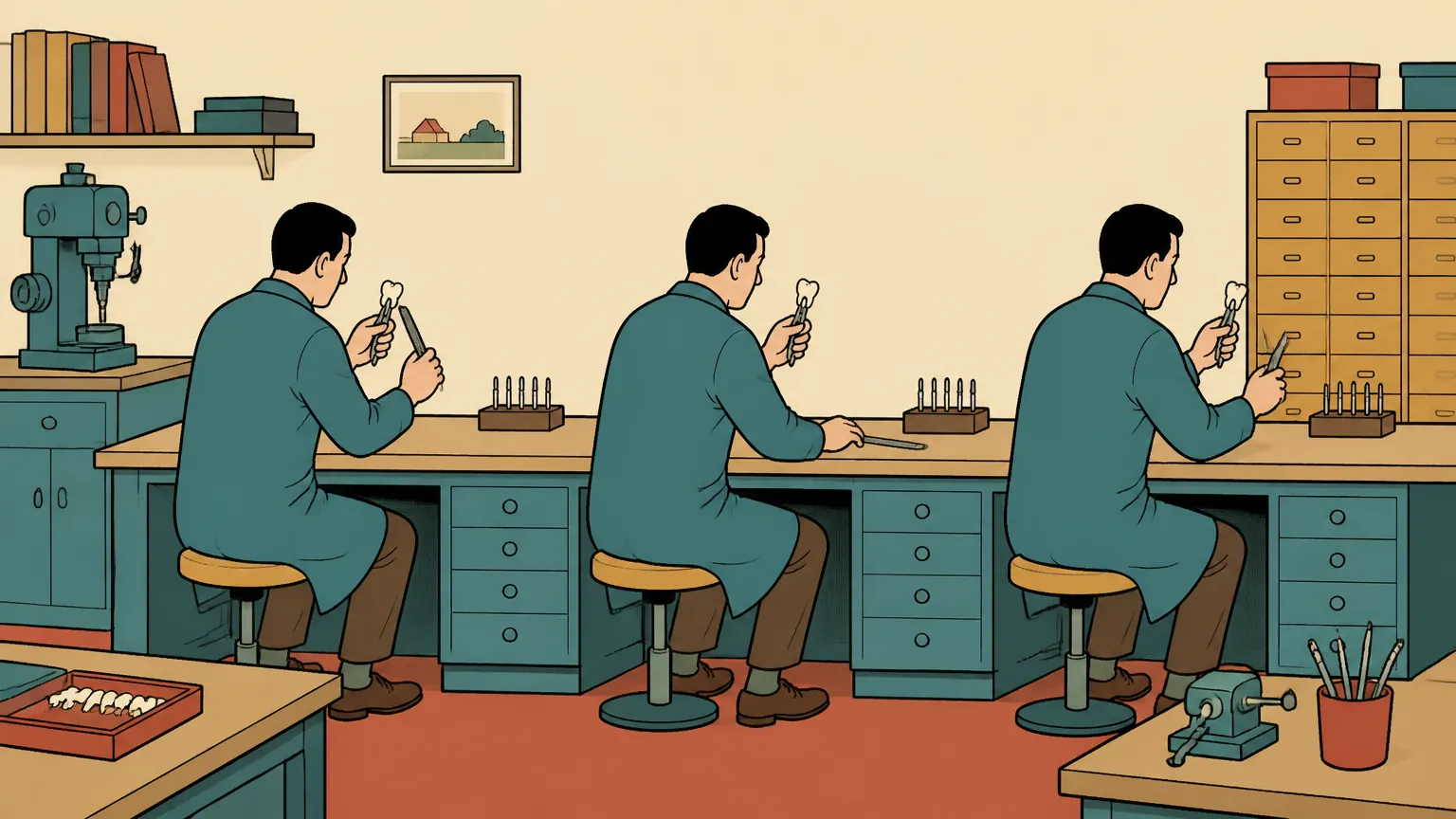
To give Frederick pause and hope, the Wonders reveal that René grew three sets of teeth as a child in most of his front teeth.
Having chipped a front tooth deeply, he watched the chip shrink as the tooth grew, filing the tooth down to make it even whenever it grew back, only for the chip to reappear within six months to a year — raising the question of whether the teeth grew or receded.
René believes he can grow his teeth and has done so, though not consistently.
Frederick's sense that growth is slow leads them to say that the speed of growth is itself perception, and perception creates allowance: René firmly believed he could grow teeth but also believed it was limited by time, so time had to pass; without the belief in time he could simply have grown them.
They insist changing this belief is no harder than believing one can write with the left hand rather than the right — it only feels harder because time is applied as a filter to virtually everything in life.
Choice is the easy part; it is the justification that goes back and forth.
Changing beliefs as a series of choices and actions ▶ Play excerpt09:31
Frederick asks whether changing a belief really is just a matter of choice and worries that his choices are mostly ego-based.
The Wonders say many are, but he will learn to tell an ego-based choice — a mind game where nothing follows and no movement occurs — from a self-based one; choice must be repeated and reinforced.
Using the example of going to the corner store, they show that an original choice generates a chain of further choices — get up, get the coat, get the hat, open the door, walk — thought in milliseconds only because they have become repetitious; the first time, he simply did it without knowing the steps.
Applied to teeth, this is action, not passive allowing: having chosen to grow teeth, he asks what the next step is — nourishment and calcium, then whether the body can use them, then what belief structures must change — rather than sitting on a mountain navel-gazing.
He objects that even with perfect nutrition a belief would still block it; they agree, and say that suspending the belief that observation requires judgment is precisely the next step in the chain.
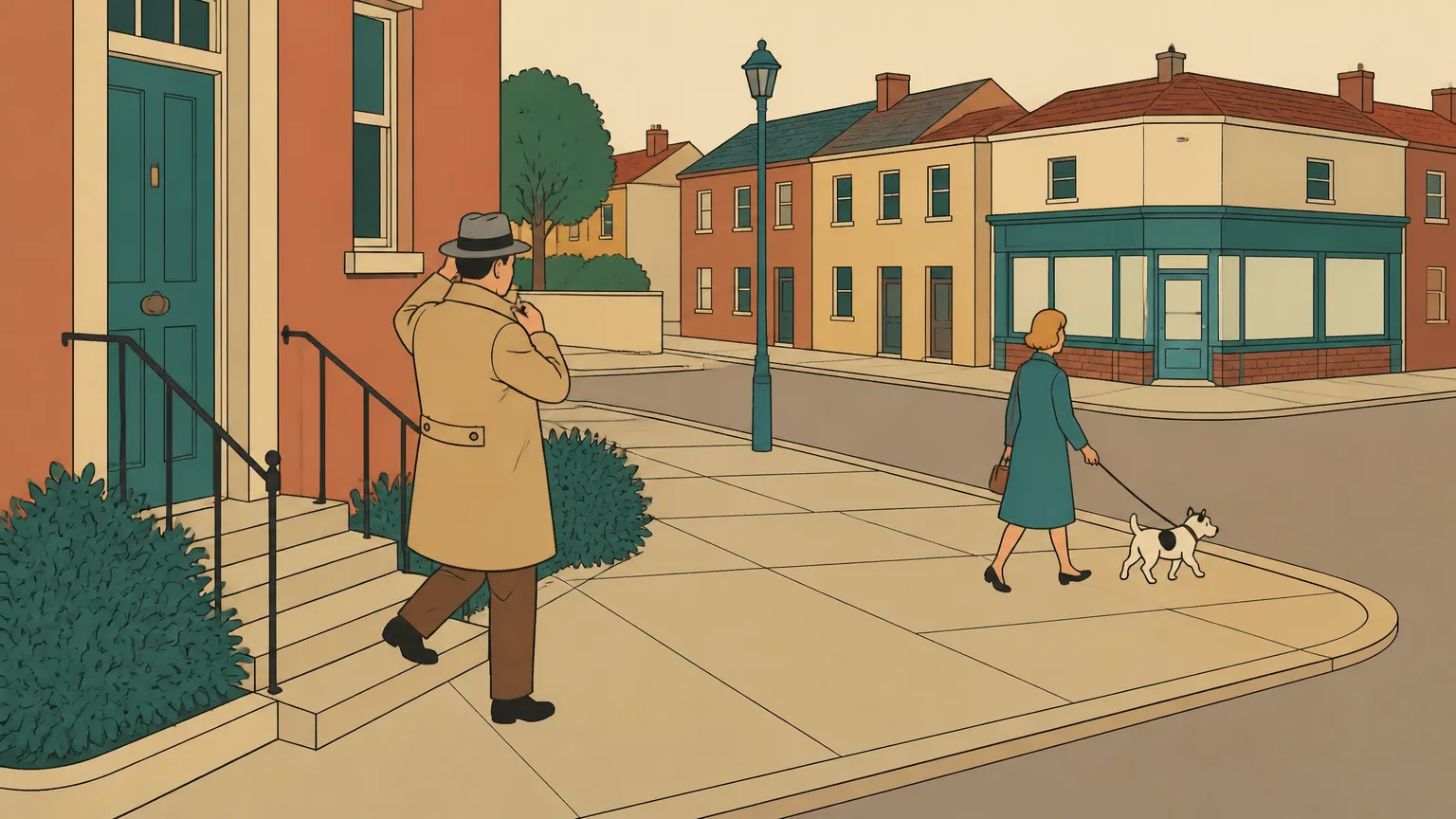
When the mind gets distracted — as by a pretty woman walking a dog on the way to the shop — he simply drifts into a different direction and picks up other belief structures that preclude what he wanted, perhaps even circumstances that make growing teeth unnecessary.
So at each new belief structure he must observe and ask whether moving that way will preclude what he intends, while still living his life.
Suspending a belief structure means the self telling the mind, thank you for that observation, but we do not need it any more, so please do not choose that way again — and the key question is whether he is willing to let one suspension affect not just his teeth but everything.
Broadening the goal: is damage reversible? ▶ Play excerpt04:17
The Wonders push Frederick to widen his frame: is this really about teeth, or about reversing cellular damage so he can maintain his body — or, as he himself suggests, about manipulating reality?
They warn that focusing narrowly on teeth becomes hard when other parts of the body demand attention, and suggest reframing it as suspending the belief that the body is in a process of deterioration and that damage is irreversible, so the exploration becomes simply: is damage reversible?
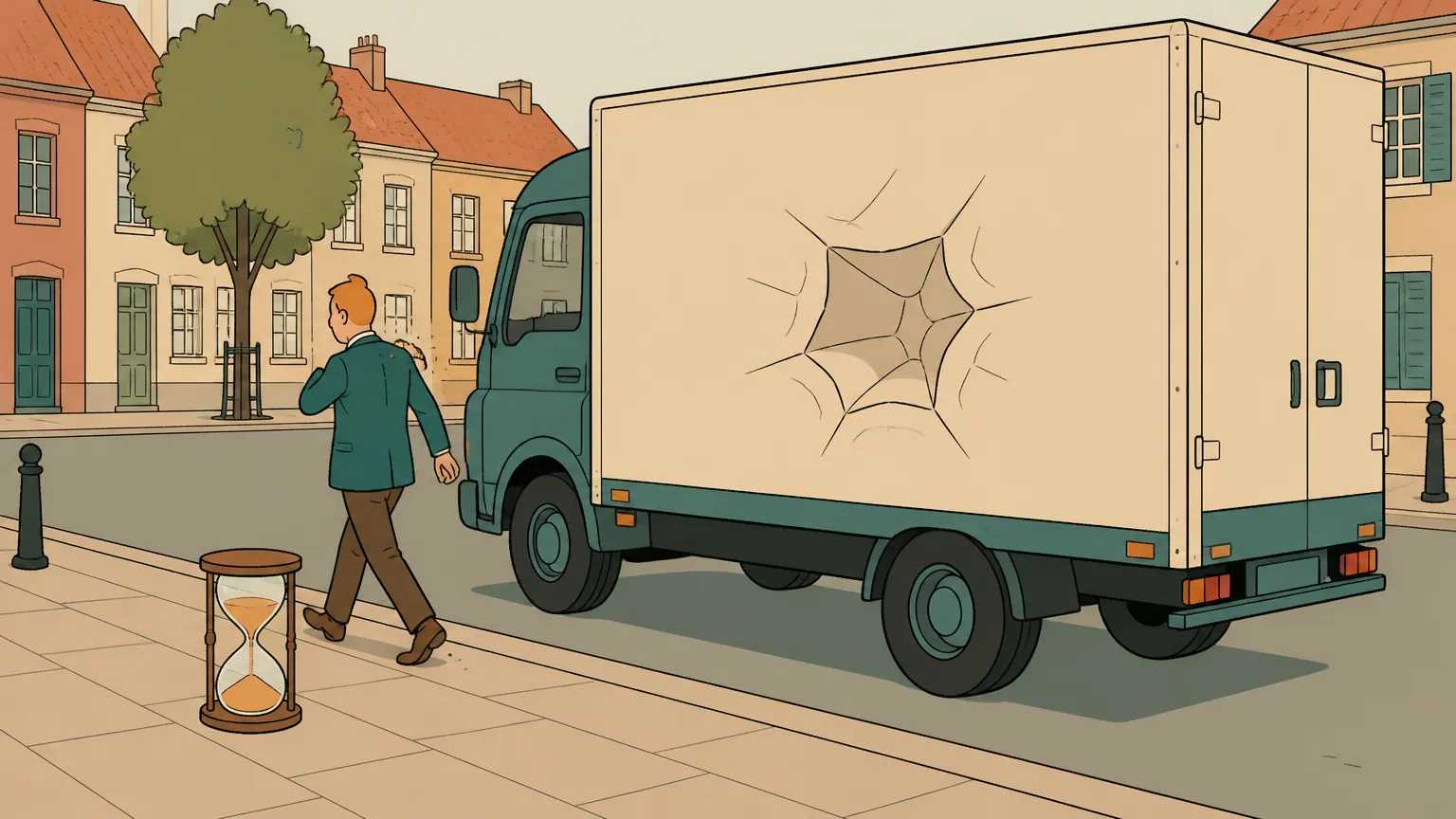
They cite René, whose belief was not that damage is fully reversible but that it could not affect him; hit by a truck, he declared it would not affect him, yet still held a belief in time and chose six months as his frame, so he healed in six — he knew at the moment of choosing that he could have chosen three or one.
They advise against René's method of finding out.
Frederick observes that one never quite gets what one wants; they answer that this reflects one's beliefs, that René got exactly what he wanted when he genuinely chose, and that the universe is a reflection of what one actually believes.
Hence the importance of suspending judgment and observing all the layers of belief in play in every choice.
They add that some belief structures are worth keeping simply because one enjoys being physical in third-dimensional reality — dropping the belief in one's own physicality would mean no longer playing the same game as everyone else — but they can be released once their benefit no longer applies.
The probability of regrowing enamel, and fun in the waiting versus fun in the using ▶ Play excerpt04:19
Asked how the probability of regrowing his enamel stands now, the Wonders say it has improved by about 3%.
They tell him he is still only toying with the idea: like someone who studies a pencil from every angle — its size, shape, hardness, the surface it rests on — without ever pushing it.
It is fun, it gives a sense of control and power, and it distracts him from other things in his life, which he admits he likes doing.
Frederick recognises a belief that the fun lies in it taking time, since getting everything immediately would remove the fun; they call this very limiting and propose shifting it so that the fun lies in the using.
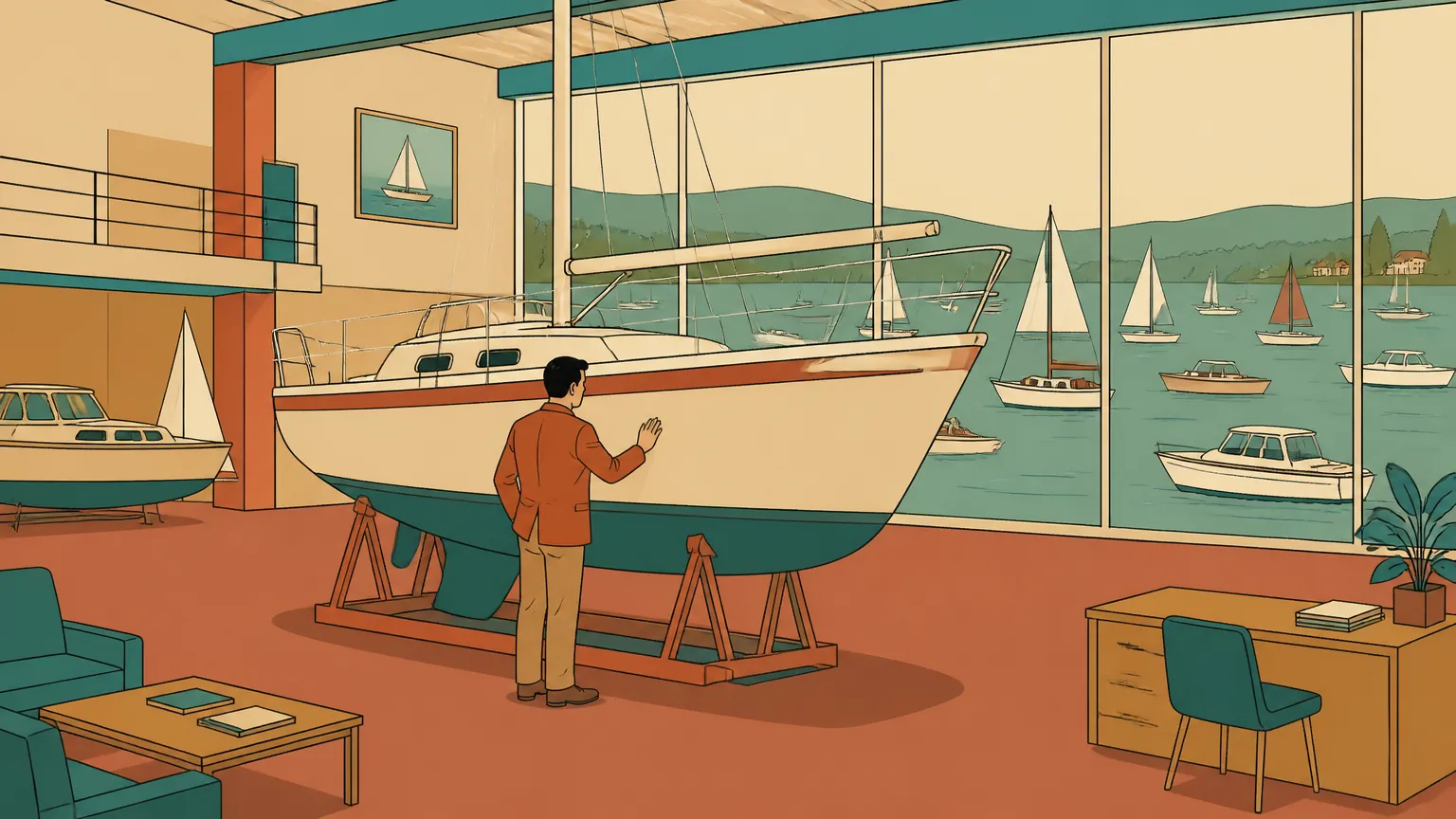
They illustrate with a man who spends twelve years at boat shows and magazines becoming an expert on boat building while never owning a boat: better to buy any boat and start using it, discovering through use what he would like next.
The difference is between a practical, experiential existence and one based on dreams, wishes and anticipation — both valid, but exploring and experiencing gains more, because nothing tells you what it feels like except getting on the water.
Genetically modified crops contaminating natural fields ▶ Play excerpt04:30
Frederick asks why genetically modified produce contaminates natural fields rather than the reverse.
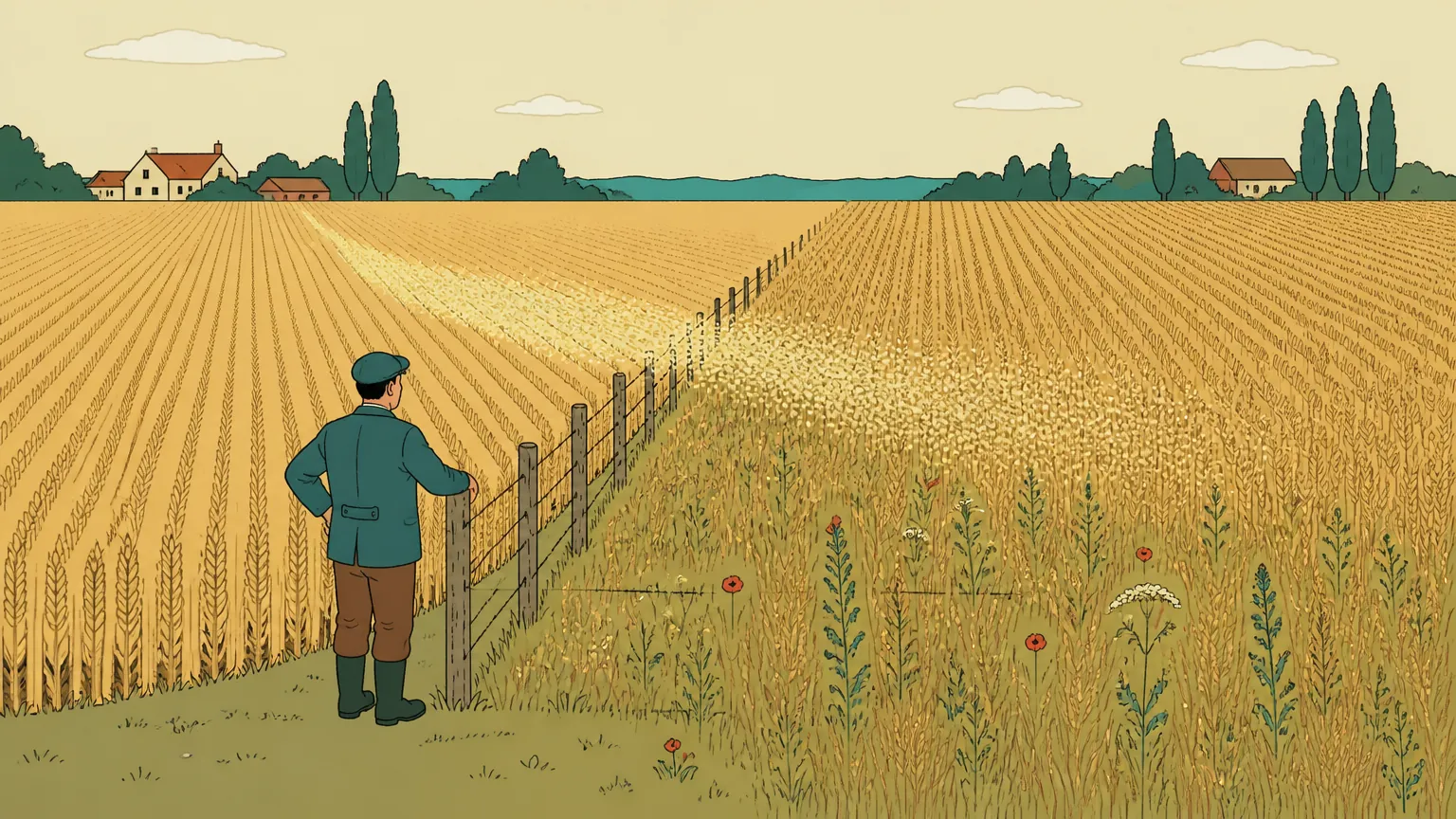
The Wonders explain that GMO seed carries a 'suicide seed' — the seeds are infertile — and that the engineers build into them a killer instinct to take over whatever they encounter, killing what they can and conquering the rest, since no company wants its invention easily destroyed.
Their genetic code is made stronger than the natural seed's, so they pollinate and overtake natural fields far faster.
Frederick reads this as humanity having chosen destruction over life; the Wonders agree, adding that plants adapt far more easily than humans and that nature will eventually not overcome but include the modified organisms, since nature must maintain balance — provided humanity does not force nature away, for instance by keeping fields clear-cut.
Humanity, they repeat, is on a road to destruction and intent on it; the aim is to raise consciousness enough to generate the energy to reverse that psychology, which is why they have been speaking for ten years in this incarnation and for hundreds of thousands of years before.
Suspending judgment, the refused meditation, and the closing question ▶ Play excerpt04:58
Frederick concludes that what he must do is suspend judgment, and the Wonders tell him the awareness and understanding he is looking for is already in him — judgment is what stops it rising to the surface.
He asks for a meditation for suspending judgment; they refuse with amusement, since he would use it and thereby judge what they had offered.
Instead they point out that if he really wants to put on underwear, go to the shop or get a haircut, he simply does it — and it is the same with suspending judgment or growing teeth; only the mind and the perceptions attached make one seem different from another.
He says that when he suspends judgment he seems to have no questions; they reply that he then has far more questions, because it stops being about right and wrong and becomes 'where do we go?' — as this very conversation was.
At that level anything becomes open to exploration, not only growing teeth but growing other parts of the body.
Noting that he is trying to prove it to himself, they leave him with a question instead of a meditation: if he lets go of trying to do one small thing to prove that he can, what belief structures will shift once proof is no longer necessary — and the more he lets go of the need for proof, what are the possibilities of his existence?
The vault is still being added to. Hear about new questions →