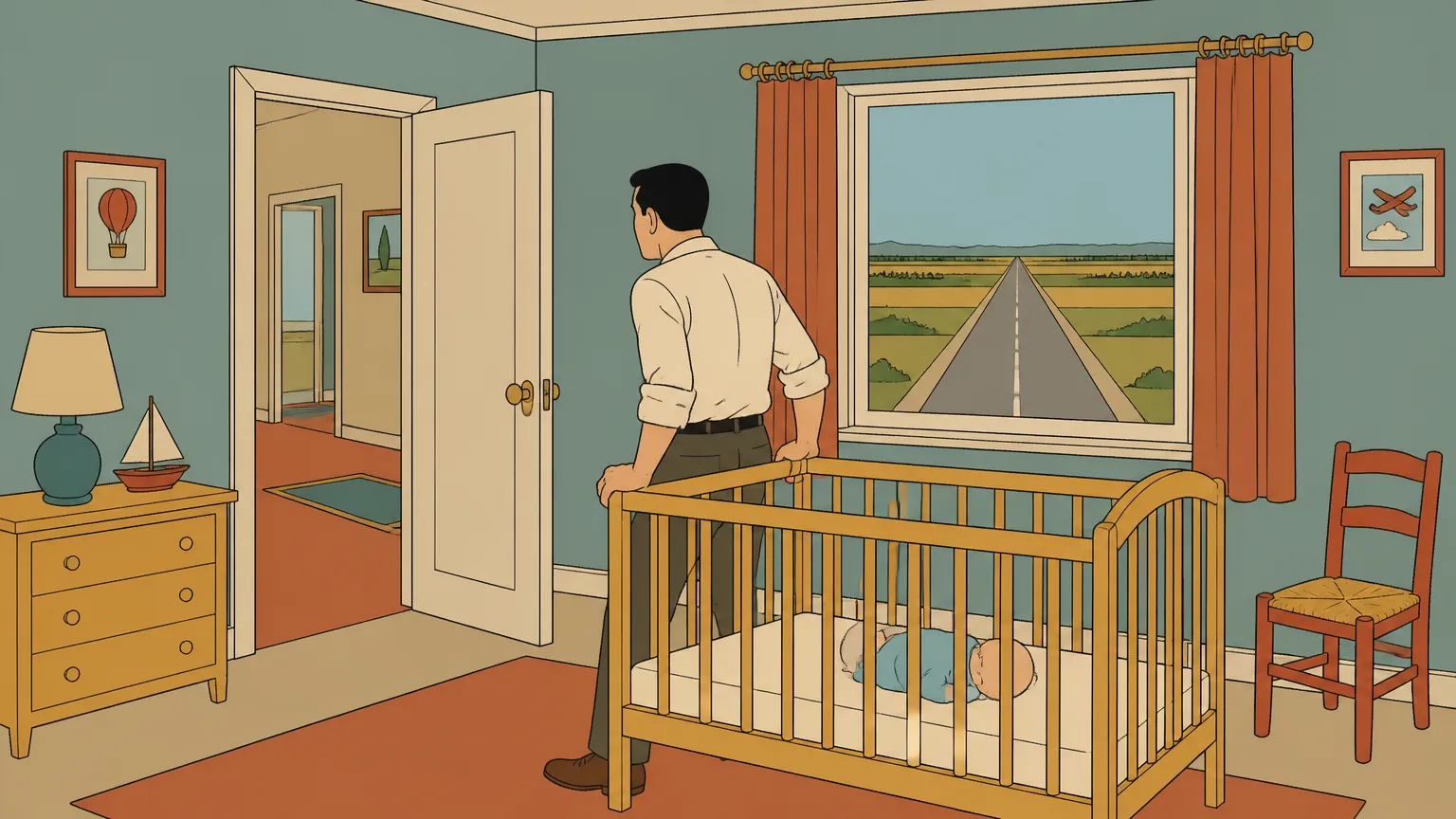

Fatalism, distrust of humankind and the inability to control the future
The Wonders identify a fatalistic fear of dying inside Frederic that is generating stress.
He recognizes it and adds that he has no trust or confidence in humankind, which they confirm frightens him into stress.
They remind him he has always resisted the lesson that he cannot control anything, and says he is now desperately trying to control his future and worrying because he cannot.
Their key point is that nothing is written in stone and nothing is absolute: fatalism, though natural to minds that know they are born, live and die, is not a given, and it is not fixed that he will die before his child can sustain herself.
They encourage him to observe himself spiritually, where he will find continuance and constancy, and to observe the flow and movement of a long life ahead, which will move his mind away from fatalism.
When he says he feels good and sees no reason to change anything, they answer that this is his logical mind refusing the emotional part of himself.
They invite a different conversation next time, one that would reassure his mind and open him to a soul's perspective of living, and mention a recently completed series on spirituality and spiritual soul expression he may want to use.
Taken out of Kept. Undo · Back to Kept
The vault is still being added to. Hear about new questions →