COVID-19 described as a war and the inflation of language
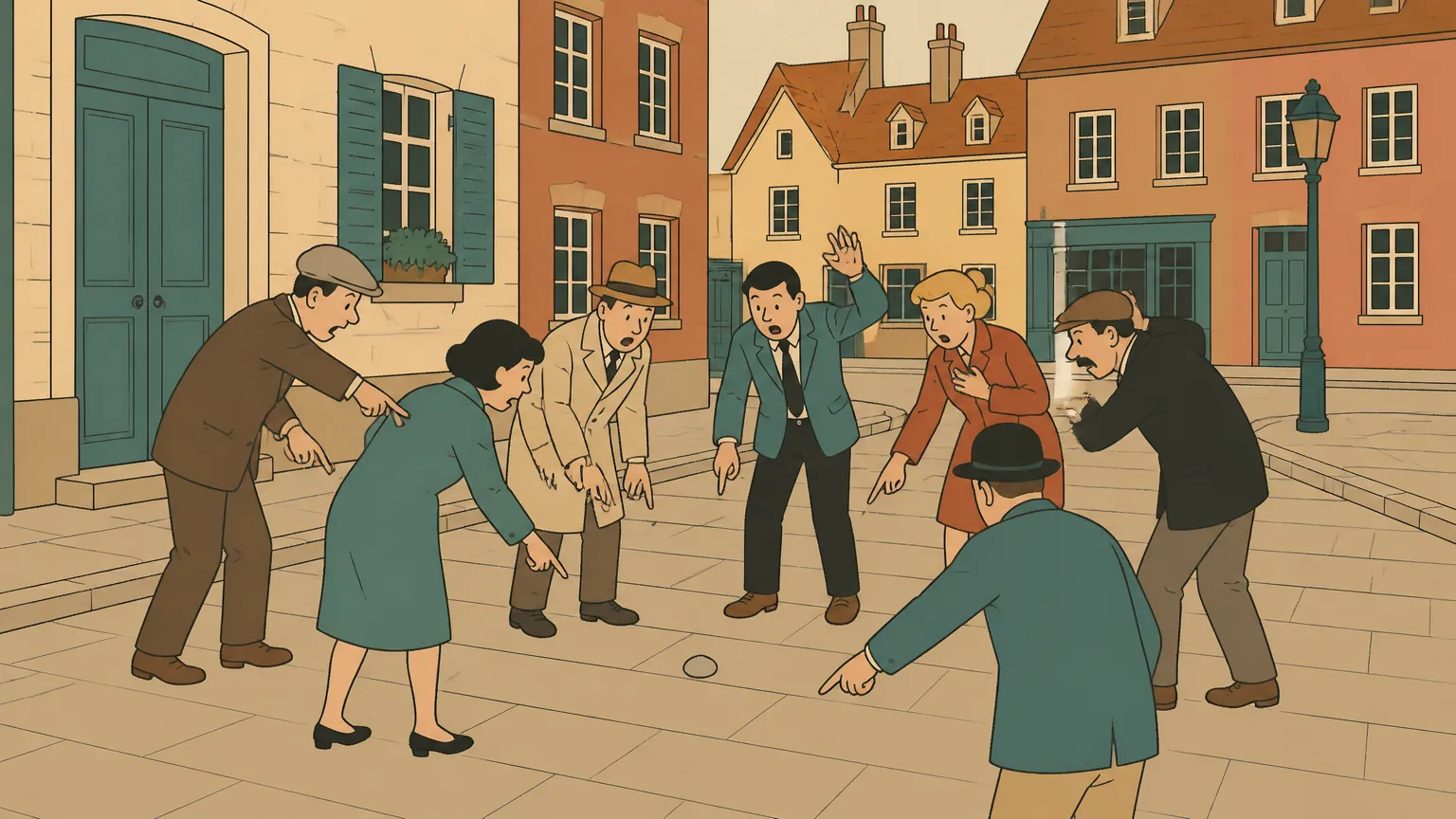
Frederic observes that many people talk about the virus as if it were a war, though his generation, unlike his grandparents, has never experienced war, and he wonders whether war is an unconscious substitute for feeling alive.
The Wonders answer that war is more the definition of the uncontrollable, and that people invoke war to validate the choices they are making around COVID-19: the struggle is great, uncontrollable, overwhelming, but I survived.
This validates their fear, judgment and guilt.
Looked at plainly, they say, COVID-19 is simply a virus; it can kill, but the virus itself does not kill - conditions in the body deteriorate bodily function, mostly as an acceleration of pre-existing conditions, and the will of many sufferers is not great enough or they do not wish to survive in that circumstance.
They state it is governments and people, not the virus, that are destroying society, and that fear had to be elevated to a pandemic reality to validate a war-measures response, which politicians willingly supply because they follow rather than lead.
They contrast the real horrors of the First and Second World Wars with dying peacefully on a ventilator, and attribute the world's over-the-top language to Donald Trump's influence and the American public's validation of it - everything must be the biggest, best and greatest.
They predict each successive event will attract still larger language, calling it end-of-world, Chicken Little thinking.
Taken out of Kept. Undo · Back to Kept
The vault is still being added to. Hear about new questions →