Artificial intelligence, creativity, and control of currency
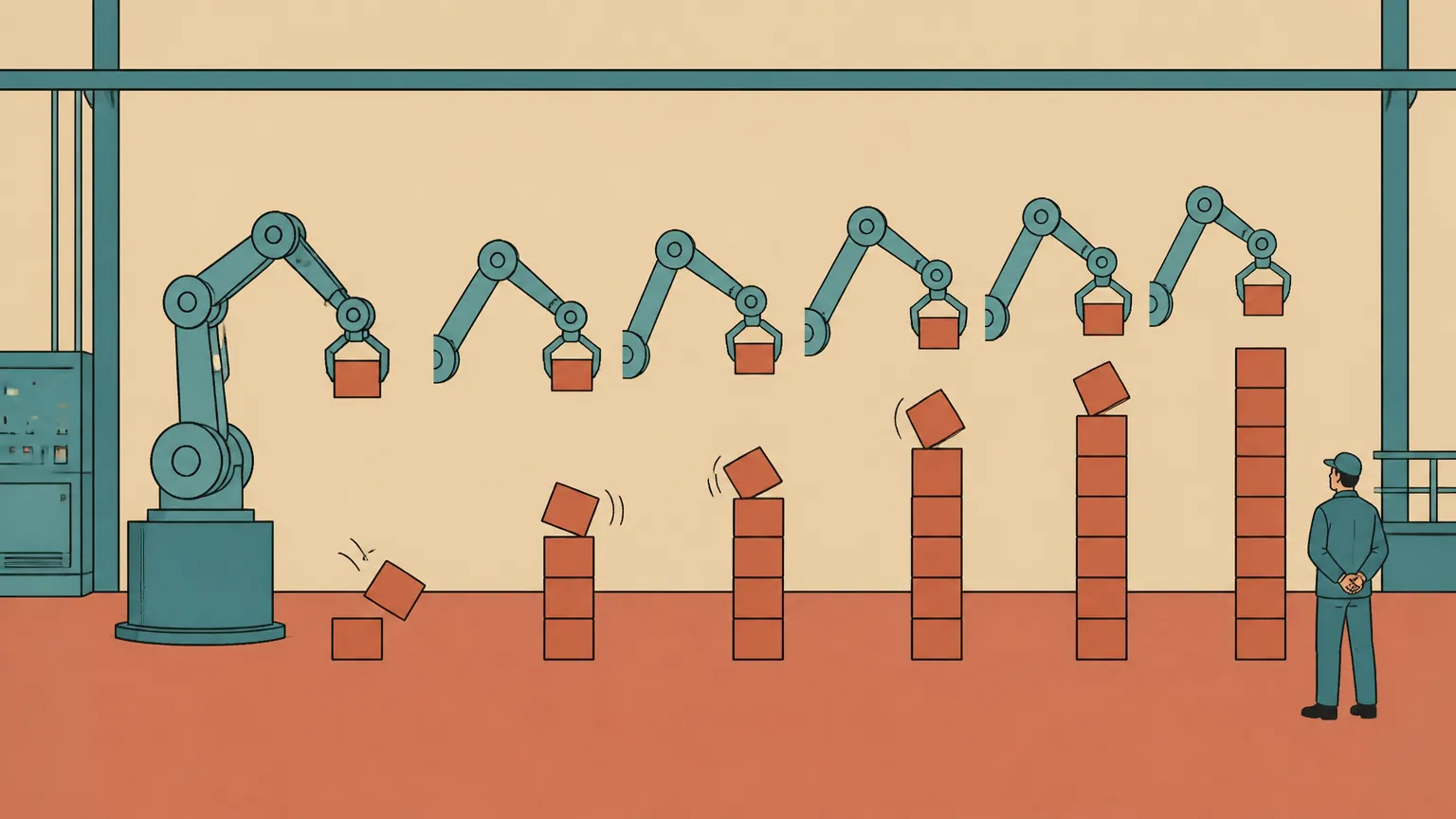
Frederic argues that current AI is brute force and narrow, limited to what is programmed.
The Wonders agree it is brute force and repetitive at this stage but say true artificial intelligence using carbon-based computing is being developed now.
They define the concept of AI as self-taught reflection: it finds a mistake, learns from it and does not repeat it, whereas humans often do repeat theirs, and this is why governments invest so heavily.
When Frederic objects that it must still be told what is a mistake, they say it is developing the ability to analyse through reflection and will come to define for itself the cost-benefit ratio of every choice.
Asked whether it could become creative, they say creative to a degree, sufficient to define cost-benefit ratios from predefined analysis, eventually analysing its own ratios and probably developing its own perspective, which would be true intelligence, though they stress this is not a Terminator machines-take-over scenario.
They link this back to currency: just as gold was once a free-for-all until governments required all gold to be surrendered and used it as a guarantee of currency rather than as currency, governments now want computerised standards as the value of currency, which is why blockchain is increasingly attractive and why they seek supposedly hack-proof AI.
Frederic notes such an assumption is still hackable, and they agree, adding that humans are hackable too, since offering someone a cost-benefit ratio in their favour is enough.
Taken out of Kept. Undo · Back to Kept
The vault is still being added to. Hear about new questions →