Session 69 — October 2022
Is everything in this dimension stressful? The immune system and the mind's judgments ▶ Play excerpt08:01
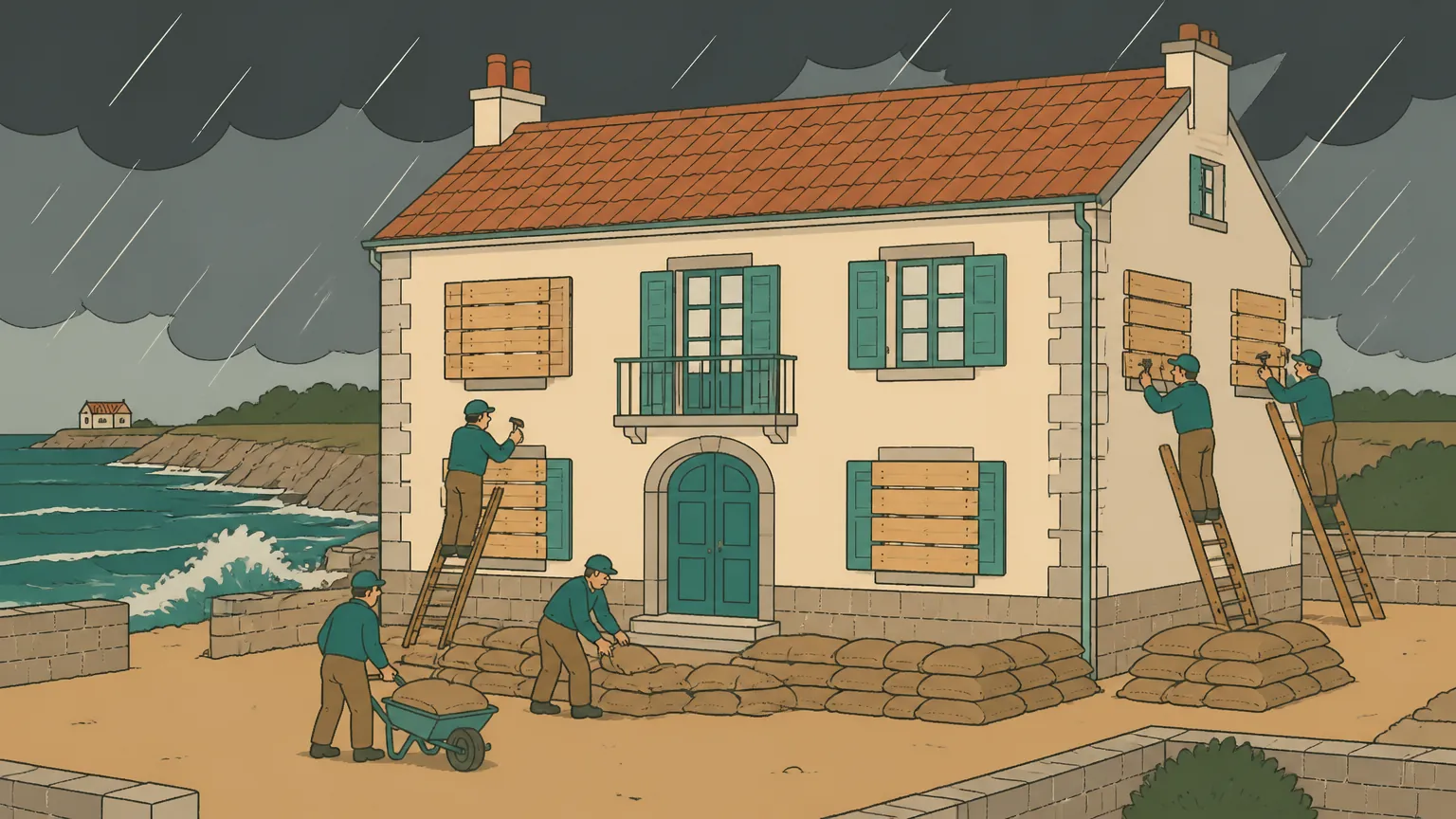
Following the previous session's mention of stress healing, Frederic offers a provisional conclusion that in this dimension almost everything is stressful except the places he does not identify as himself, which he suspects is also what being in command means.
Asked why, he points to biology - the immune system fighting viruses looks like stress.
The Wonders disagree: the body is equipped to deal with viruses of all natures, and the scientific narrative that the immune system must be trained to defend itself is not really the case.
The immune system is created when sperm and egg come together, so immunity to whatever environment the body finds itself in is built into the replicating cell structure, though this depends partly on the health of the sperm and egg and on inherited genetic anomalies.
The psychology promoted by science - that immunity must be trained, defined and categorized, built up through each illness - has trained minds to believe the body is a failed, weak creation needing support and definition, a narrative the pharmaceutical companies feed on.
The stress Frederic sees is therefore not innate to the nature of reality but imposed on it by the fears and judgments of the mind, which is about fear, judgment and guilt; when the mind runs things, as it does for most people, it creates stress in itself and in the body, which it regards as non-functional and in need of control.
Stress, they say, is really a function of resistance.
Frederic notes that the place where he has no stress is where he observes without judgment, and that as soon as he identifies something as part of his identity a judgment and stress appear.
The Wonders confirm this is the mind: observing without judgment that he is a male of a certain height and weight would stress no one, but the mind is bound to judge it as not good enough or particularly strong and thereby creates stress.
The body by its own nature is not stressed; when the mind fears a virus such as COVID-19, the body reacts to the fear because the mind imposes its judgments on it.
Viruses and parasites exist in a physical body and the body can deal with them - it is the mind that is afraid.
They point out that since Frederic conducted his exploration through his mind, his mind concluded that where it is not present, there is no stress.
Not feeling stressed about the wider situation, and no longer anticipating ▶ Play excerpt01:37

Frederic says that looking at the current environment, where several difficult years seem likely, he feels he is supposed to be stressed but is not, and wonders whether he is avoiding things.
The Wonders ask whether he is truly avoiding it or whether he simply knows he will be okay; he answers that he knows he will be okay, and they ask why there would then be any stress.
He notes that a few years ago he would have considered moving somewhere better, but things are simple now: his daughter will stay in Europe, so he stays in Europe and they will be fine.
The Wonders caution that this should not become 'I am not stressed as long as I stay here' - if circumstances say move, he moves; if they say not to, he does not.
Frederic observes that he no longer anticipates as he used to, which they commend.
Leaders as the tip of a pyramid rather than actual leaders ▶ Play excerpt02:34
Frederic asks what distinguishes his not anticipating from political leaders who seem to anticipate nothing, with annoying consequences.
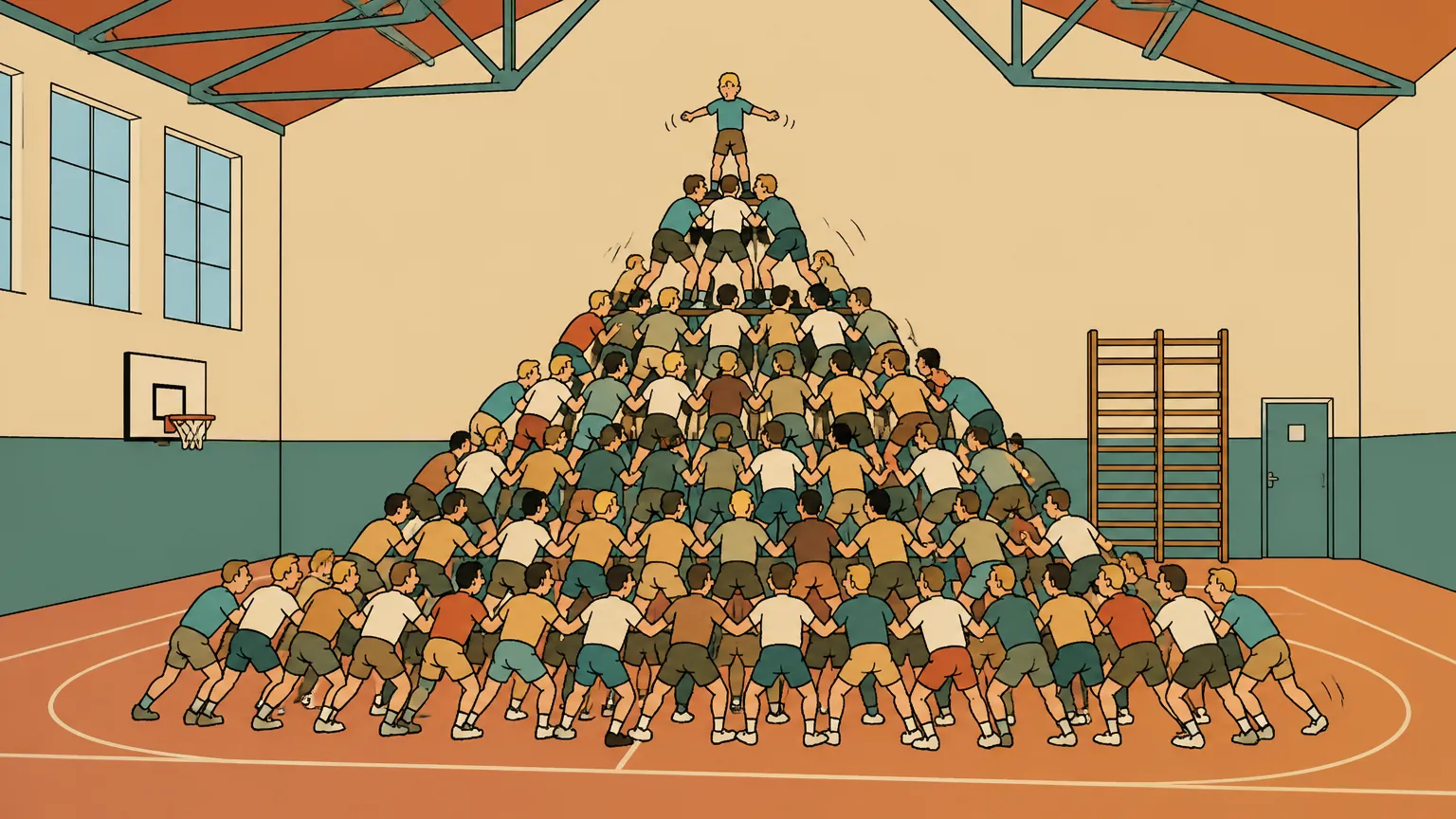
The Wonders reply that leaders in fact anticipate a great deal, constantly worrying and constantly fed by people who worry, but that they are not really leaders - they are followers of the people around them, figureheads at the tip of a pyramid supported by many below.
The tip itself has no power; while the pyramid is strong the tip is strong, and if the pyramid collapses the tip goes with it.
Politics and leadership, they say, amount to a large number of people sustaining what they perceive as the tip; leaders do not tell others what must be done, they parrot everyone around them - socialist leaders parroting a society that says everyone must be helped, non-socialist leaders parroting the hawkish voices around them - so the real question is not which person to install as leader but what societal movement is actually being moved toward.
Younger generations, community versus individualism, and the arrogance of ego in world leaders ▶ Play excerpt03:10
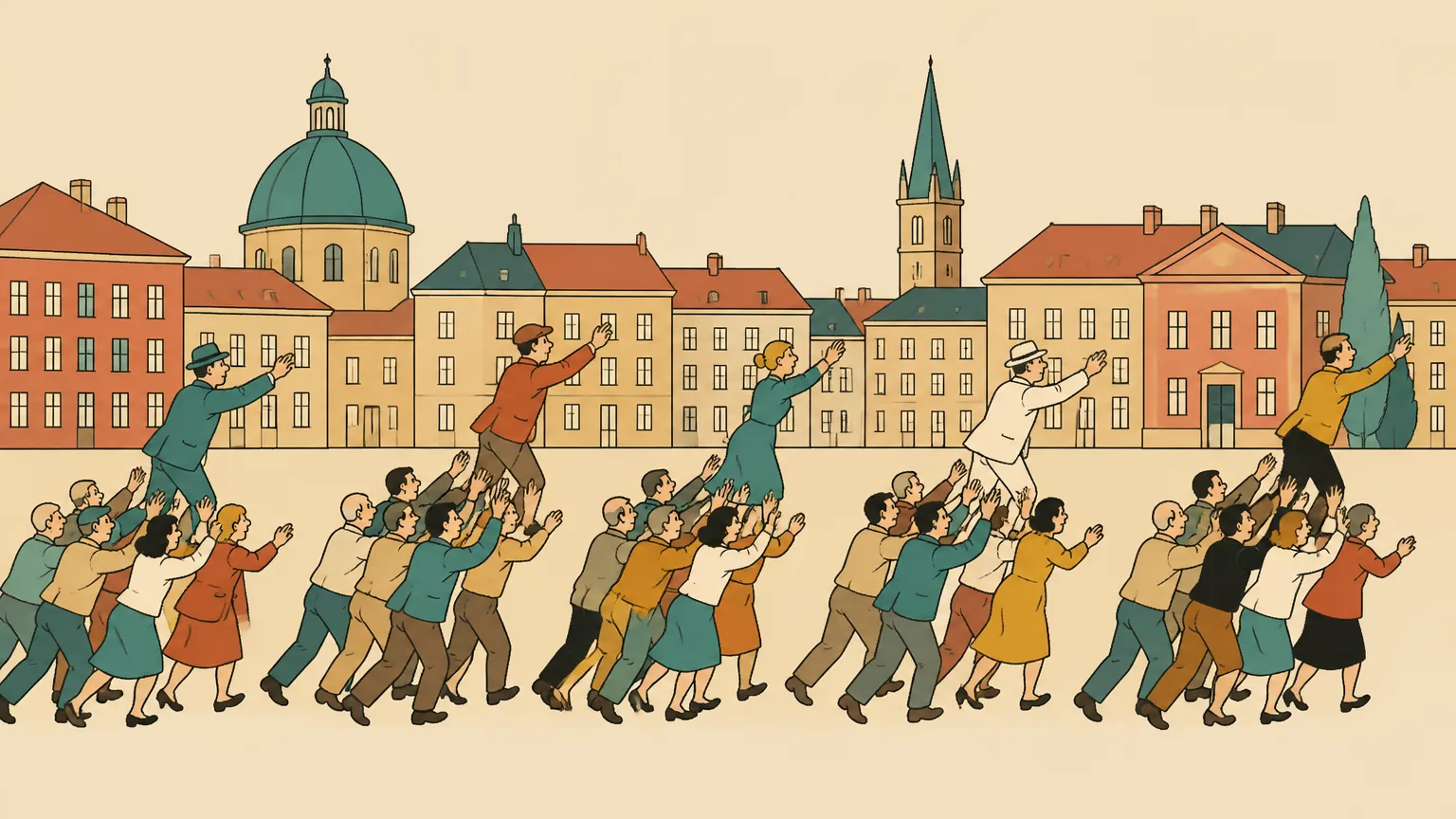
Frederic says he is fairly optimistic for the mid to long term when he looks at younger generations: change must happen because society cannot continue as before, and he sees young people wanting to belong to a community and being less individualistic, even if tensions between communities will remain.
The Wonders find it interesting but say it remains to be seen whether a movement away from individualism toward social groups will benefit humanity, since many cultures over hundreds of thousands of years have attempted group awareness and consciousness and each failed because individualism keeps returning with the claim that it can do better on its own.
Frederic suggests a balance must be found, and they agree that finding that balance is what humanity has been about for millennia and is still attempting.
Looking at the modern world - Putin, Russia, China, North Korea, Brazil, even the United States - they describe a hodgepodge of individuals pushing their ideas while never for a moment believing they are being manipulated, when in fact they are merely the head representing everyone around them; that, they say, is the arrogance of ego, which always believes everything coming out of it is its own creation.
Observation without judgment, change as mere opportunity, and nothing being fixed ▶ Play excerpt05:04
Frederic asks for the Wonders' own perspective on stress.
For him personally, they say, the greatest measure is to move further toward observation without judgment, which he is already doing well although a good deal of judgment remains.
The one thing that does stress him is change; if he realizes that change is neither good nor bad but simply an opportunity to move, his stress becomes less and, with everything else sorted, almost non-existent.
Change is a constant - the universe is constantly moving and shifting, even the air he breathes changes moment by moment - so there is no reason to fear or judge it; he need only realize his sufficiency and be able to say he can move in any direction, and go where the movement takes him.
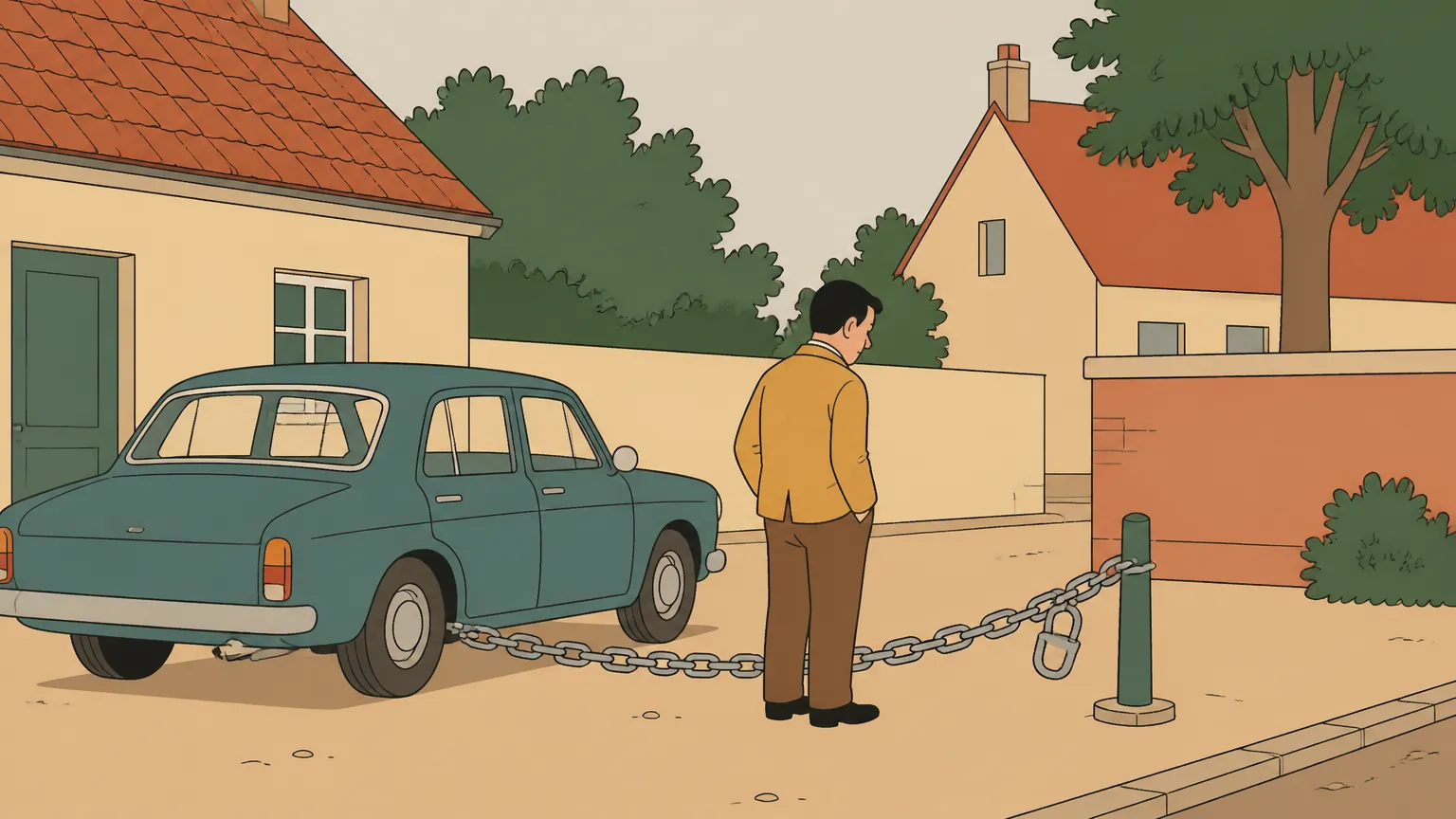
Frederic adds that he can change his choice moment by moment, but still needs practice: he must choose a new car, is no longer interested in cars, and feels stuck with whatever he picks for the 36 months of the lease.
The Wonders challenge whether he is really stuck - he could sell the lease, and if a lease can be sold it can also be bought from someone else.
Frederic recognizes this as a lingering psychology applying to most things.
They tell him nothing is fixed or immovable; everything is fluid, and seeing it that way is liberating.
If he does not want a 36-month lease he can look for a shorter one and negotiate, since there are always negotiations and, in the current economy, opportunities.
They add a further consideration: if the universe keeps making the thing unavailable in the form he wants, that is its way of suggesting he wait.
Frederic relates this to a house he and his family have been looking for that has not turned up, and the Wonders tell him not to be stuck on it having to be in a particular place, type, location, style or colour - take the mind's judgments out of the equation and anything becomes possible.
Letting new ideas come, imagining beyond current forms, and the ego of technology billionaires ▶ Play excerpt07:59
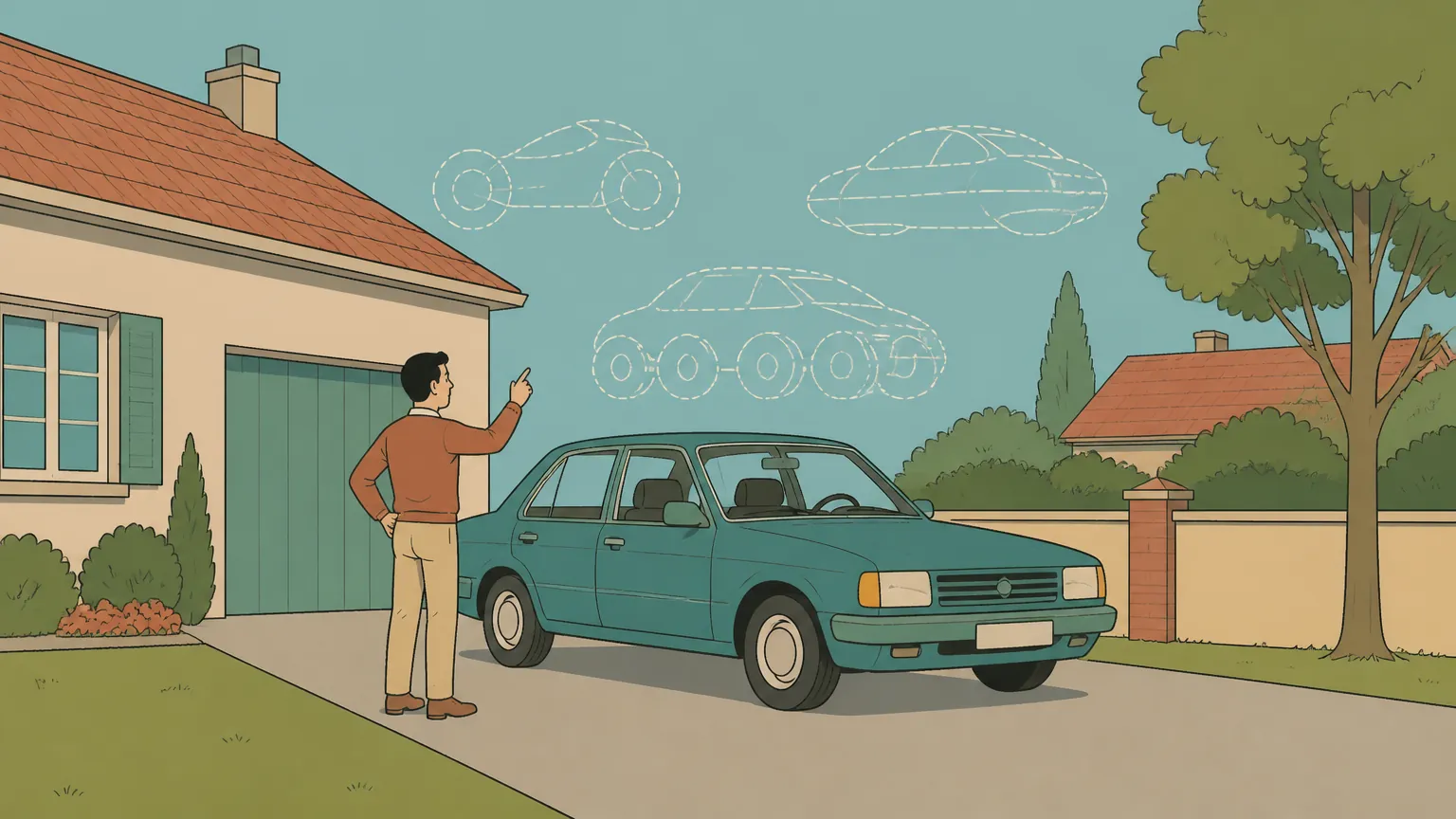
Frederic describes what he has been playing with: rather than visualization, which he finds boring because it involves forcing and obligation, he lets new ideas come, sees what arrives and follows it.
The Wonders endorse this - dream, imagine, open yourself to the non-physical and see where it leads; it will eventually translate into the physical, but in the meantime anything is possible.
Applied to his car, instead of imagining a car he could imagine a mode of transportation that takes him from A to B at will: maybe four wheels, maybe two, three or eight, maybe it does not use a road, maybe it flies, maybe eventually teleportation.
For now he settles for a car without forgetting the dream.
They cite the electric car as something imagined long before it existed, noting that Henry Ford built an electric-engined car before his gasoline one, but industry saw profit in gasoline rather than electricity, and that a century later battery systems are only beginning and will change dramatically over the next 60 to 70 years.
Frederic mentions charging as the remaining issue, and the Wonders trace the history of electricity generation from hydro to coal, oil, natural gas and nuclear, then raise the question of what happens to spent nuclear fuel rods, of which millions are stored: there is enough energy left in them that, devised properly and thought about outside the box, they could power a mode of transportation, and some people are already working on it.
Those working on it now are trying to save the planet rather than make a profit; once others see profit in buying spent nuclear fuel, the technology will take off.
Frederic recalls someone thinking about this twenty years ago with different motivations, and asks about Elon Musk.
The Wonders say Musk started out looking at doing things more easily but has become so involved in his ego that now he cares mainly about money; he is a brilliant mind whose personality has devolved into ego to the point where he sees himself as capable only of what he is doing now.
They characterize the Twitter affair as him deliberately creating chaos in order to get something he wants, a technique learned from watching other billionaires who know that profit comes out of chaos, while also drawing attention away from his favourite projects such as Tesla and SpaceX; out of that chaos he will find something else to work with, positioning himself as he has long done.
They say Jeff Bezos is the same.
Frederic concludes that human nature persists regardless of wealth, and they agree that there is always an ego involved.
Moving from rigidity to fluidity rather than swapping perspectives ▶ Play excerpt01:48
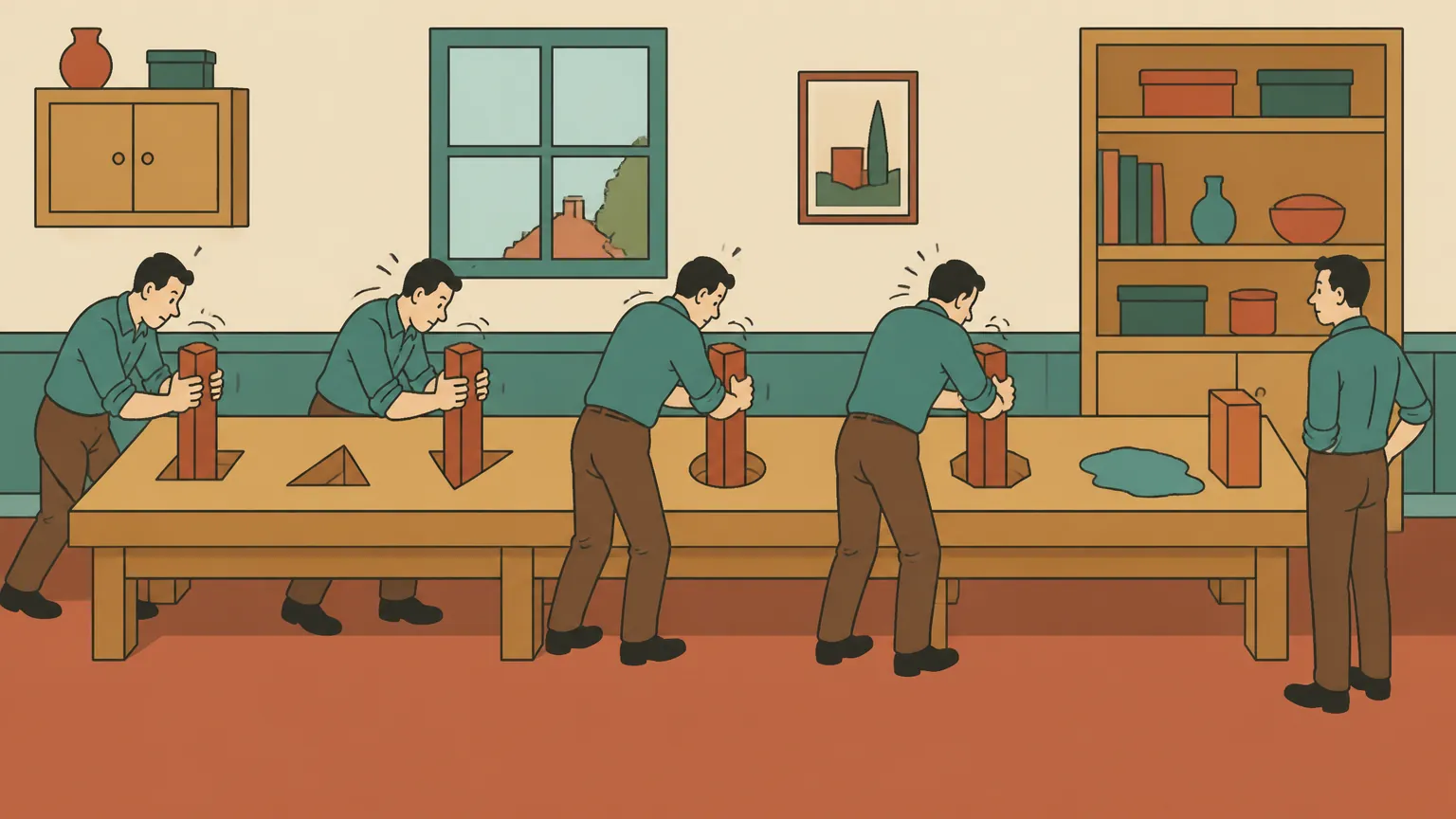
Noting Frederic's silence as he considers new perspectives, the Wonders tell him not to be afraid of the new, and clarify the point: he is not looking to trade one rigid perspective for another rigid perspective, but to change from rigidity to fluidity.
Swapping perspectives may count as a change, but fundamentally it leaves him rigid; if he genuinely wants to move away from his stress levels he must find the fluidity inside himself.
Frederic recognizes that he has always liked comfort, which is essentially rigidity.
The vault is still being added to. Hear about new questions →